

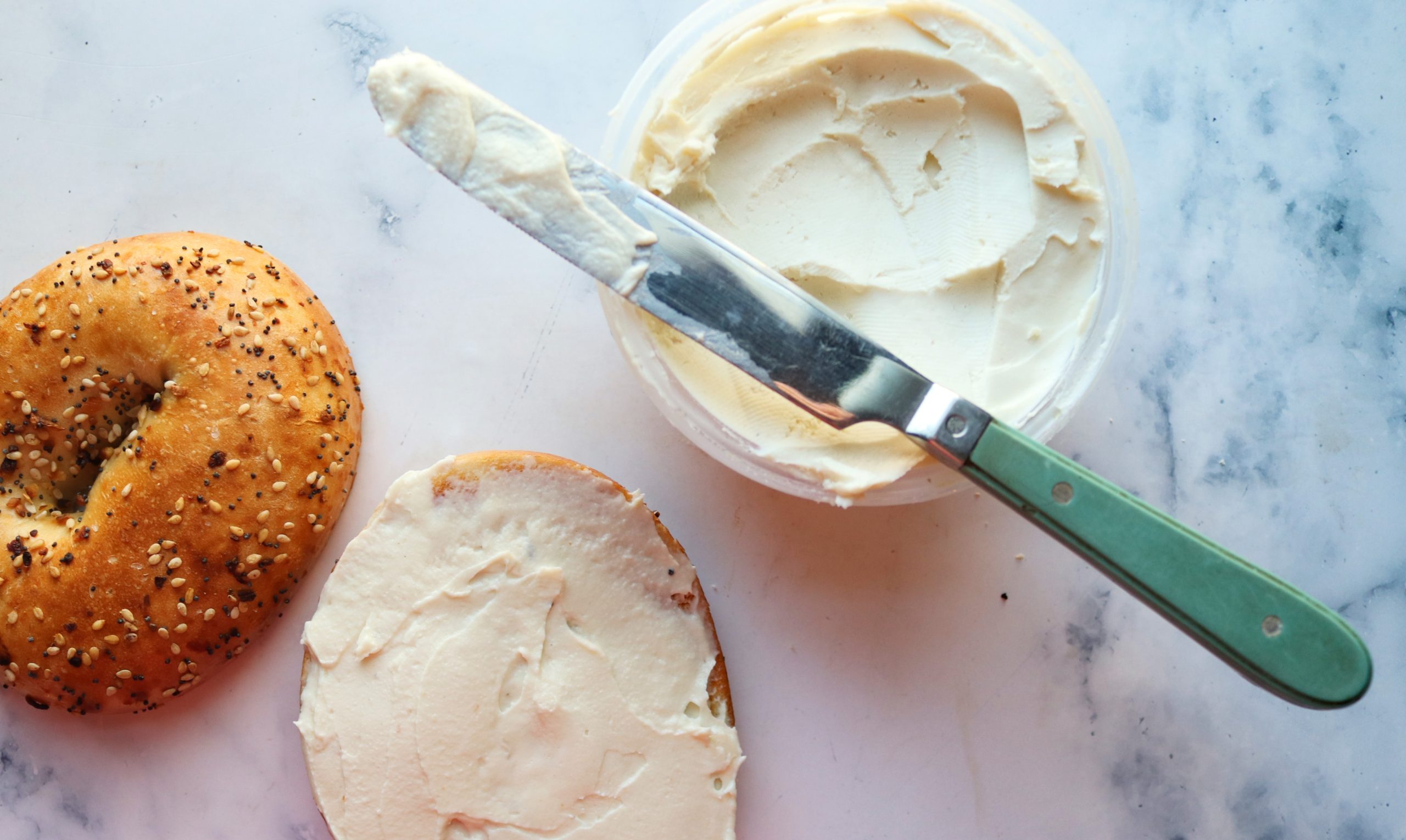
According to a new study, people who regularly consumed high-fat cheese and cream had a lower risk of developing dementia over a 25-year period, while low-fat dairy and other dairy products showed no clear association with risk reduction.
Based on this 25-year Swedish study of nearly 28,000 individuals, published in Neurology, those who consumed 50 grams or more of high-fat cheese per day had a lower risk of overall dementia as well as vascular dementia. Similarly, individuals who consumed an average of at least 20 grams of high-fat cream per day also had a reduced risk of developing dementia.
However, the study found no comparable benefits for low-fat cheese, low-fat cream, or butter. According to Emily Sonestedt, associate professor at Lund University and senior author of the study, the differing effects of high-fat cheese and cream on brain health compared with whole milk may be related to differences in nutritional composition and the role these foods play within overall dietary patterns.
Sonestedt explained that cheese fermentation produces bioactive compounds that may influence inflammation and blood vessels. In addition, full-fat cheese contains several nutrients relevant to brain health, including fat-soluble vitamins A, D, and K2, as well as vitamin B12, folate, iodine, zinc, and selenium.
According to Dr. Richard Isaacson, a neurologist specializing in dementia prevention, the source and quality of dairy products may also be important. Not all cheese is the same: what a cow eats determines what is present in the milk, and ultimately what ends up in the cheese. Dairy from cows that are grass-fed throughout their lives typically contains higher levels of omega-3 fatty acids, which are preferentially protective for the brain, particularly in individuals at risk of cognitive decline.
The study also found that 15–20% of people who carry at least one copy of a genetic variant known as APOE ε4 did not benefit from the consumption of any type of dairy. According to Sonestedt, the clearer association observed with vascular dementia, and the fact that benefits related to Alzheimer’s disease were seen only in individuals without the APOE ε4 variant, suggest that the underlying mechanisms are more likely related to vascular and metabolic factors than to core amyloid processes.
Isaacson noted that people who carry the APOE ε4 gene are more sensitive to saturated fats than those who do not, and individuals with a high genetic risk of dementia may need to be more cautious with saturated fat intake.
In fact, there is no one-size-fits-all approach to Alzheimer’s prevention.
Nevertheless, it is important to note that these findings do not prove that high consumption of high-fat cheese and cream prevents dementia. Because this is an observational study, high-fat cheese and cream intake may simply reflect broader dietary patterns and lifestyle factors rather than a direct protective effect.
Reference:
Du, Yufeng et al. “High- and Low-Fat Dairy Consumption and Long-Term Risk of Dementia: Evidence From a 25-Year Prospective Cohort Study.” Neurology vol. 106,2 (2026): e214343. doi:10.1212/WNL.0000000000214343